
Fence Installation
Quality Fence Installation by a Family You Can Trust
ATX Fence Staining provides professional fence installation services for Austin area homeowners. Our family builds fences that last using quality materials and proven construction methods.
Professional Fence Installation
A well-built fence adds value to your property, provides privacy, defines boundaries, and keeps children and pets safe. Our family has the experience and equipment to install fences that meet your needs and stand up to Texas weather.
Why Choose Professional Installation
Fence installation requires more than digging holes and setting posts. Proper installation accounts for soil conditions, drainage, property lines, and local regulations. Our family handles these details so your fence performs as intended.
Permits & Regulations
Many areas require permits for fence installation. We’re familiar with local requirements and help you obtain necessary approvals before work begins.
Property Lines
Installing a fence on or over your property line creates problems with neighbors and potential legal issues. We verify boundaries before installation starts.
Underground Utilities
Hitting water, gas, or electrical lines during installation causes damage and safety hazards. We coordinate utility location services before digging.
Soil Considerations
Austin area soil varies from property to property. Clay soil, rocky conditions, and drainage issues affect how we install fence posts. Our experience with local conditions ensures proper installation.
Our Fence Installation Process
Consultation & Planning
We visit your property to discuss your fence needs. You explain what you want the fence to accomplish. We measure the area, note obstacles, and assess site conditions. This meeting helps us provide an accurate estimate and timeline.
Design & Material Selection
Based on your goals and budget, we recommend fence styles and materials. Wood fences offer natural beauty and can be stained to match your preferences. We explain the pros and cons of different wood types and construction methods.
Estimate Preparation
Our written estimate details materials, labor, and any additional costs. We explain what’s included and answer your questions. You receive clear pricing before any work begins.
Scheduling & Preparation
Once you approve the estimate, we schedule your installation. We coordinate utility locates and obtain required permits. Before we arrive, we ask you to clear the fence line of items that might interfere with installation.
Installation Day
Our family arrives with all necessary materials and equipment. We mark fence post locations and begin installation. Posts are set at proper depths in concrete for stability. Rails and pickets follow, with attention to alignment and spacing. Gates receive special attention to ensure they open smoothly and latch securely.
Cleanup & Final Inspection
We remove all debris and excess materials from your property. Before considering the job complete, we walk the fence line with you to ensure satisfaction. Any concerns are addressed immediately.
Fence Styles We Install
Privacy Fences
Privacy fences use boards placed tightly together to block views and create private outdoor spaces. Heights typically range from six to eight feet. These fences work well for backyards and areas where you want seclusion.
Picket Fences
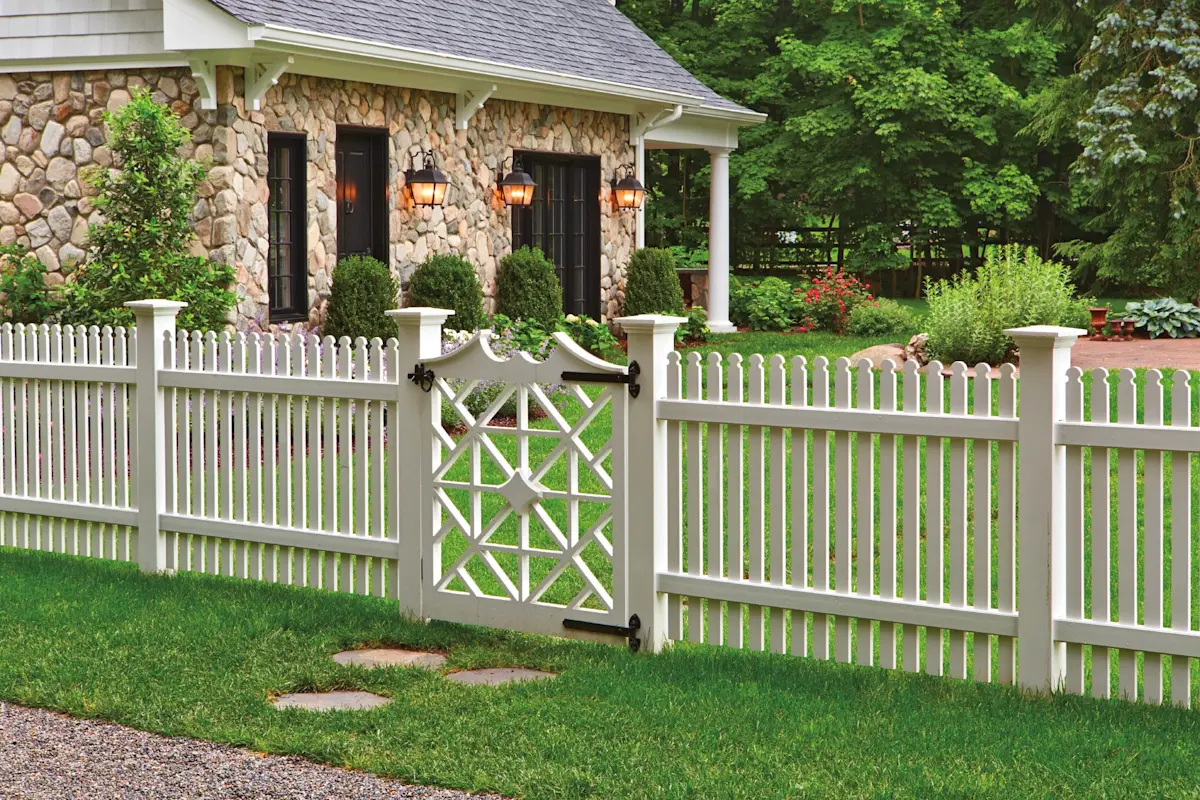
Picket fences feature vertical boards spaced apart, creating a decorative boundary without blocking views completely. These fences suit front yards and gardens. Heights usually range from three to five feet.
Split Rail Fences
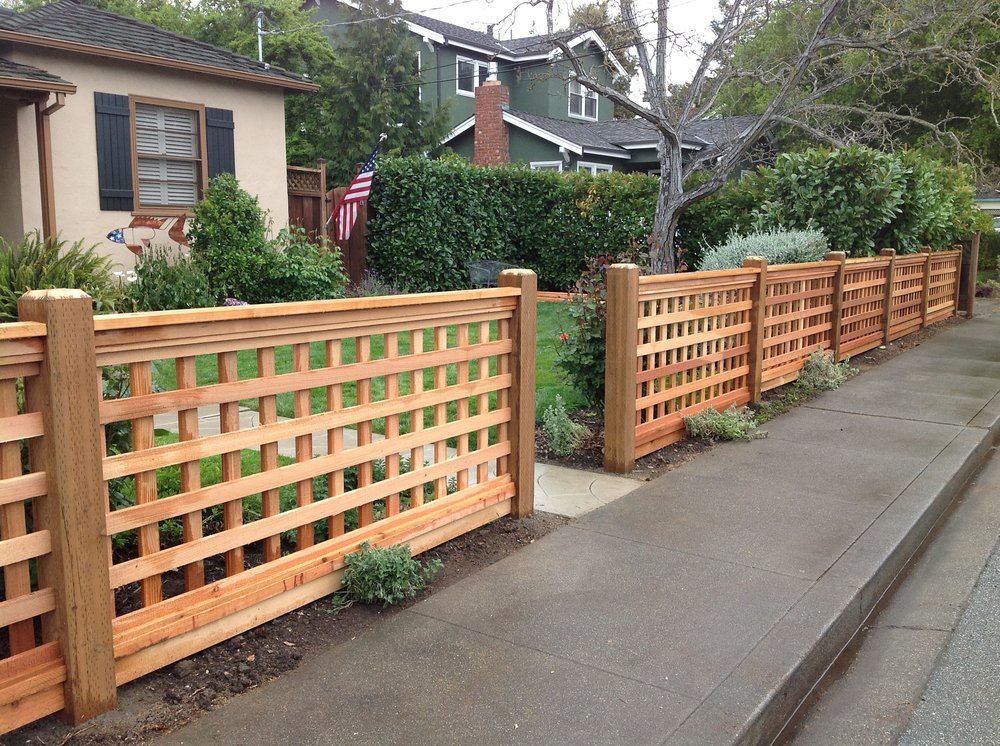
Split rail fences provide a rustic look using horizontal rails between posts. They define property lines without creating solid barriers. These fences work well for large yards and rural properties.
Board-on-Board Fences
Board-on-board construction alternates boards on each side of the rails. This creates a fence that looks finished from both sides while providing privacy. Air flows through better than solid privacy fences.
Custom Designs
If you have specific design ideas, our family can build custom fences to match your vision. We’ve created fences with decorative tops, mixed materials, and unique layouts.
Wood Types for Fence Installation
Cedar
Cedar resists rot and insects naturally. It has a pleasant appearance and aroma. Cedar fences last many years with proper maintenance. This wood costs more than other options but delivers excellent value.
Pine
Pressure-treated pine offers good durability at a lower price point. The treatment process protects against rot and insects. Pine works well for most fence applications and accepts stain readily.
Cypress
Cypress naturally resists decay and has a fine grain. It’s harder to find than cedar or pine but offers excellent longevity in humid climates.
Redwood
Redwood combines beauty with natural rot resistance. It’s more expensive and less common in this area but creates stunning fences that age beautifully.
Post Installation Methods
Posts form the foundation of any fence. We use techniques that ensure stability and longevity.
Concrete Setting
We set posts in concrete for maximum stability. Holes are dug to appropriate depths based on fence height and soil conditions. Concrete prevents posts from shifting and extends fence life significantly.
Post Depth
Fence posts need to extend below the frost line and deep enough to support the fence structure. We follow industry standards that account for fence height and local conditions.
Spacing
Proper post spacing prevents sagging and maintains fence integrity. We calculate spacing based on fence design and material specifications.
Gate Installation
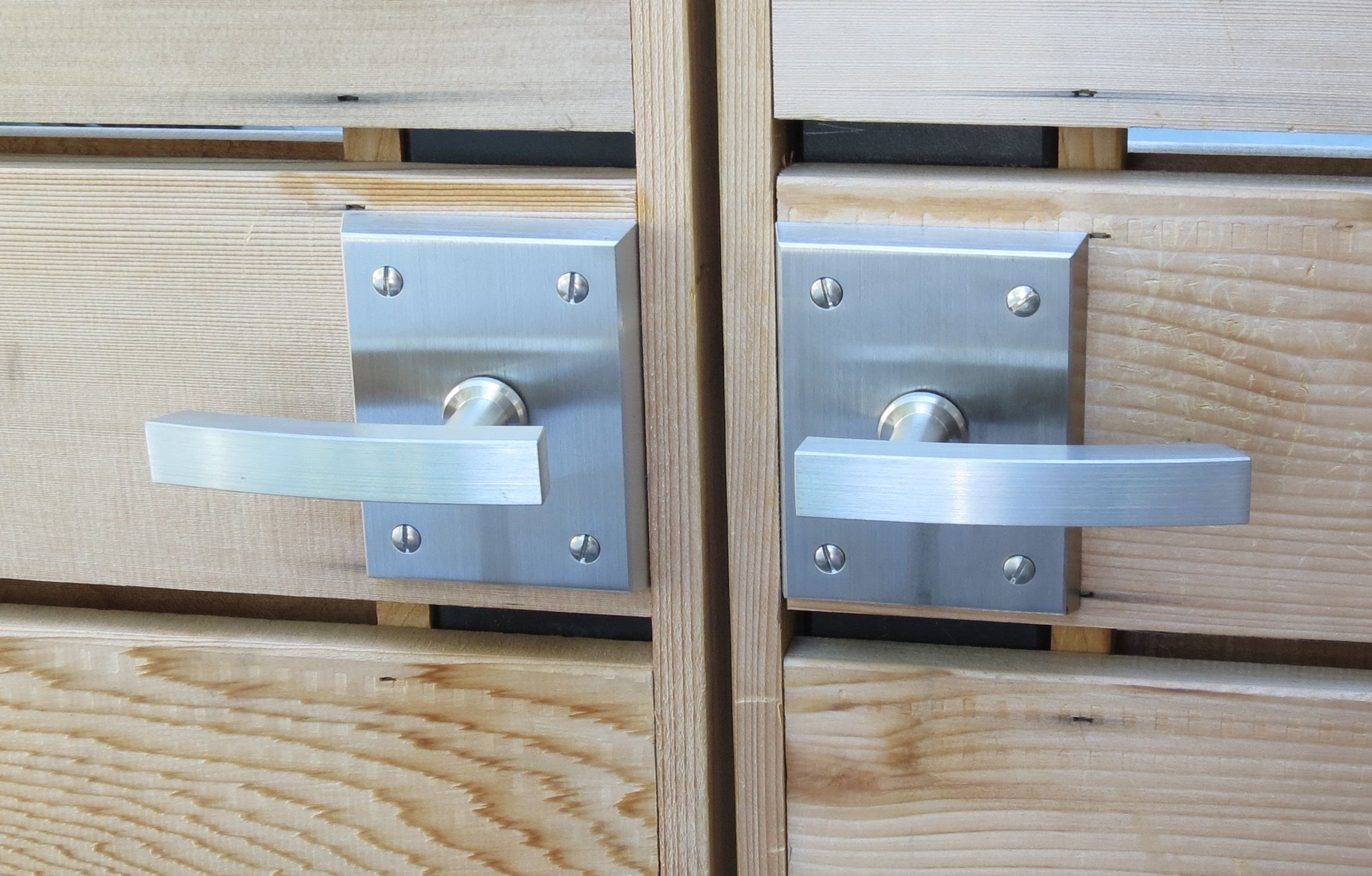
Gates are the most-used part of any fence and require extra attention during installation.
Gate Construction
We build gates using reinforced frames that resist sagging. Hardware is selected for durability and function. Gates receive diagonal bracing to maintain squareness over time.
Hinge Selection
Heavy-duty hinges support gate weight and allow smooth operation. We install hinges properly aligned so gates swing freely without binding.
Latch Installation
Latches need to be accessible and reliable. We install latches at convenient heights and ensure they engage securely. Options include standard latches, self-closing hardware, and lockable systems.
Fence Maintenance After Installation
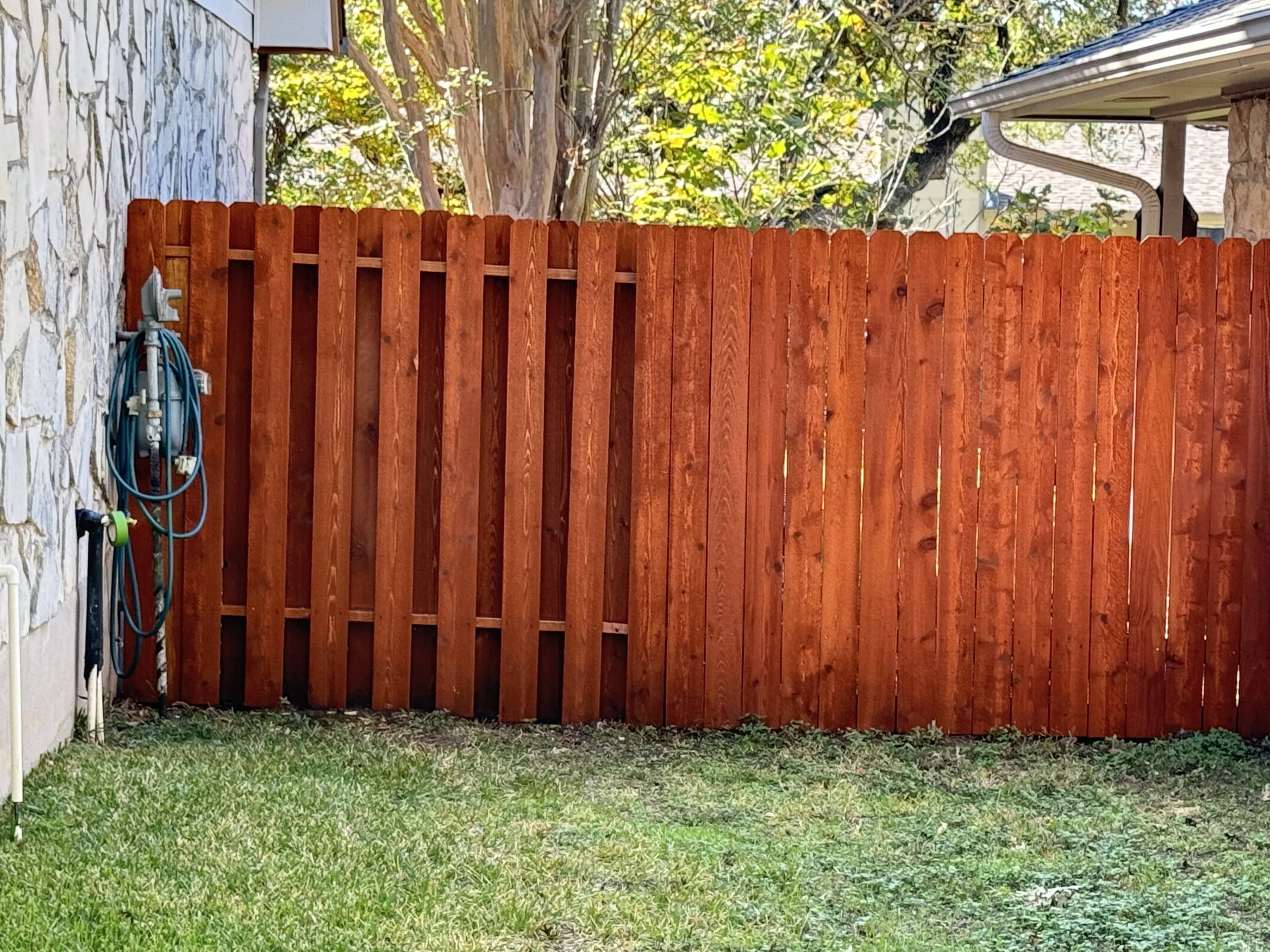
A new fence needs protection to reach its full lifespan potential.
Initial Staining
New wood should be stained within a few months of installation. This protects against moisture and UV damage from the start. We offer staining services for new fence installations at a discounted rate when done during initial construction.
Regular Inspection
Check your fence annually for loose boards, damaged sections, or signs of rot. Addressing small issues prevents larger problems.
Cleaning
Periodic cleaning removes dirt and mildew that can deteriorate wood over time. Power washing works well but should be done at appropriate pressure settings.
Restaining Schedule
Plan to restain your fence every two to four years. Regular staining extends fence life significantly.
Cost Factors for Fence Installation
Several factors affect fence installation costs:
Linear Footage
Longer fences require more materials and labor. Price is typically calculated per linear foot.
Fence Height
Taller fences use more materials and require deeper post installation.
Wood Type
Different wood species have different costs. Cedar and redwood cost more than pine.
Terrain
Sloped terrain or difficult access increases installation complexity and cost.
Gates
Each gate adds materials and labor. Larger or custom gates cost more than standard sizes.
Site Conditions
Rocky soil, existing structures, or other complications may increase installation time and cost.
Our Commitment to Quality
Experienced Installation
Our family has installed hundreds of fences across the Austin area. We know what works and what doesn’t.
Quality Materials
We source materials from reliable suppliers. Your fence is built with wood that meets our standards.
Proper Techniques
We follow best practices for every aspect of fence installation. Cutting corners leads to problems down the road.
Workmanship Guarantee
We stand behind our installation work. If issues arise from installation errors, we make them right.
Service Area for Installation
We install fences throughout the Austin metro area including Austin, Round Rock, Cedar Park, Pflugerville, Georgetown, Leander, and surrounding communities. Our family travels to your location for consultations and estimates.
Timeline for Installation
Most residential fence installations are completed in one to three days depending on fence length and complexity. We provide a specific timeline estimate when we visit your property.
Weather can affect schedules. Wet conditions delay concrete work and create difficulties with equipment. We communicate any schedule changes promptly.
Getting Your Free Estimate
Contact our family to schedule a consultation. We visit your property, discuss your needs, take measurements, and note any special considerations. Within a few days, you receive a detailed written estimate.
Our estimates include all costs associated with your project. You won’t encounter surprise charges or hidden fees. We explain what’s included and answer all your questions.
Combining Installation & Staining
Many homeowners schedule staining shortly after installation. We offer package pricing when you combine fence installation with our staining services. This approach protects your investment from the start and saves you money.
Start Your Fence Project
Ready to install a new fence? Our family is here to help. We’ll guide you through the process from initial consultation to completed installation.
Contact ATX Fence Staining today for your free estimate. We’ll visit your property, understand your needs, and provide clear pricing for your fence installation project.
Fence Installation Services in Austin, TX
ATX Fence Staining builds wood fences for homeowners throughout the Austin metro area. Our family business installs fences using proven methods and materials that hold up to Texas conditions.
Adding a Fence to Your Property
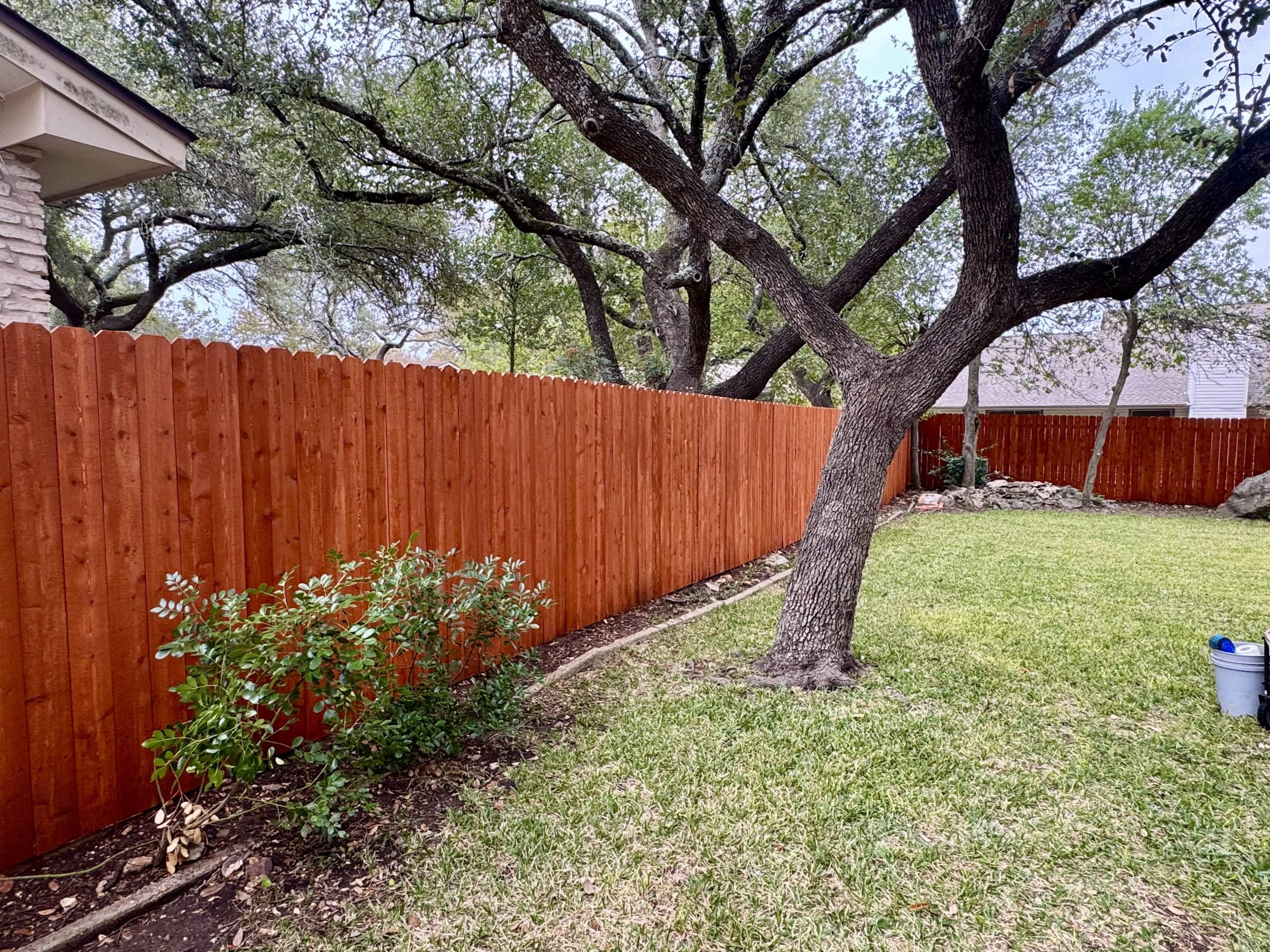
A fence serves multiple purposes for your home. It creates privacy from neighbors and passersby. It contains children and pets within your yard. It marks property boundaries and defines outdoor spaces. It adds to your home’s curb appeal and can increase property value.
The fence you install today will stand for years or decades depending on construction quality and maintenance. Choices made during planning and installation affect how well the fence performs over its lifespan. Our experience building fences throughout Austin helps homeowners make decisions that serve them well over time.
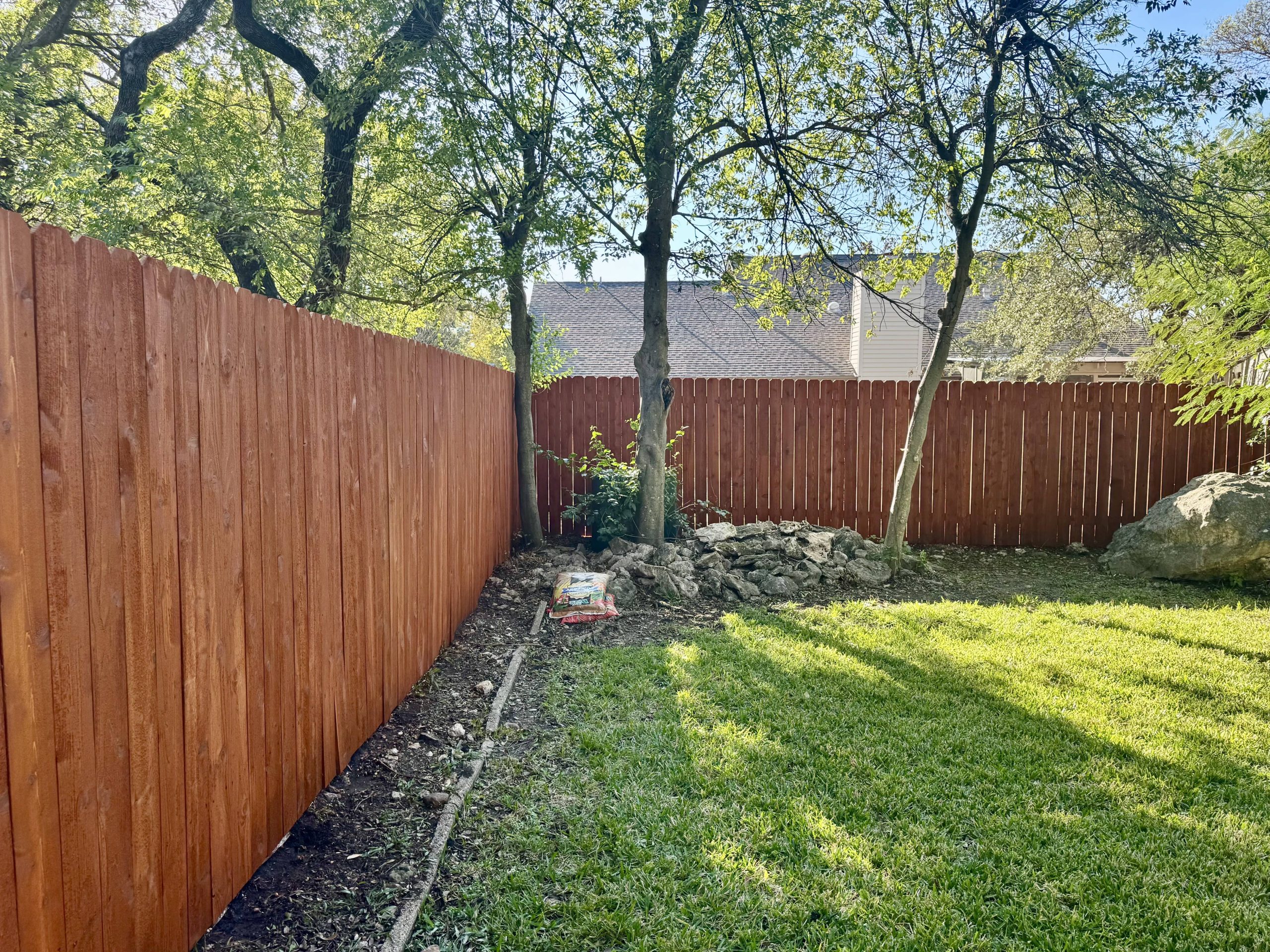
Fence Styles We Build
ATX Fence Staining installs several fence styles to meet different needs. Each style offers specific benefits for privacy, appearance, and function.
Privacy Fences
Privacy fences block sight lines completely. Board-on-board construction overlaps pickets so no gaps exist between boards. This style provides full visual screening from both sides of the fence.
Standard privacy fences use pickets attached to one side of the rails. This creates a flat surface on one side and shows rails on the other. Heights typically range from six to eight feet depending on your needs and local regulations.
Privacy fences work well for backyards where you want to create enclosed outdoor living space. They screen views of pools, patios, and gathering areas. They also reduce noise from neighboring properties to some degree.
Semi-Privacy Fences
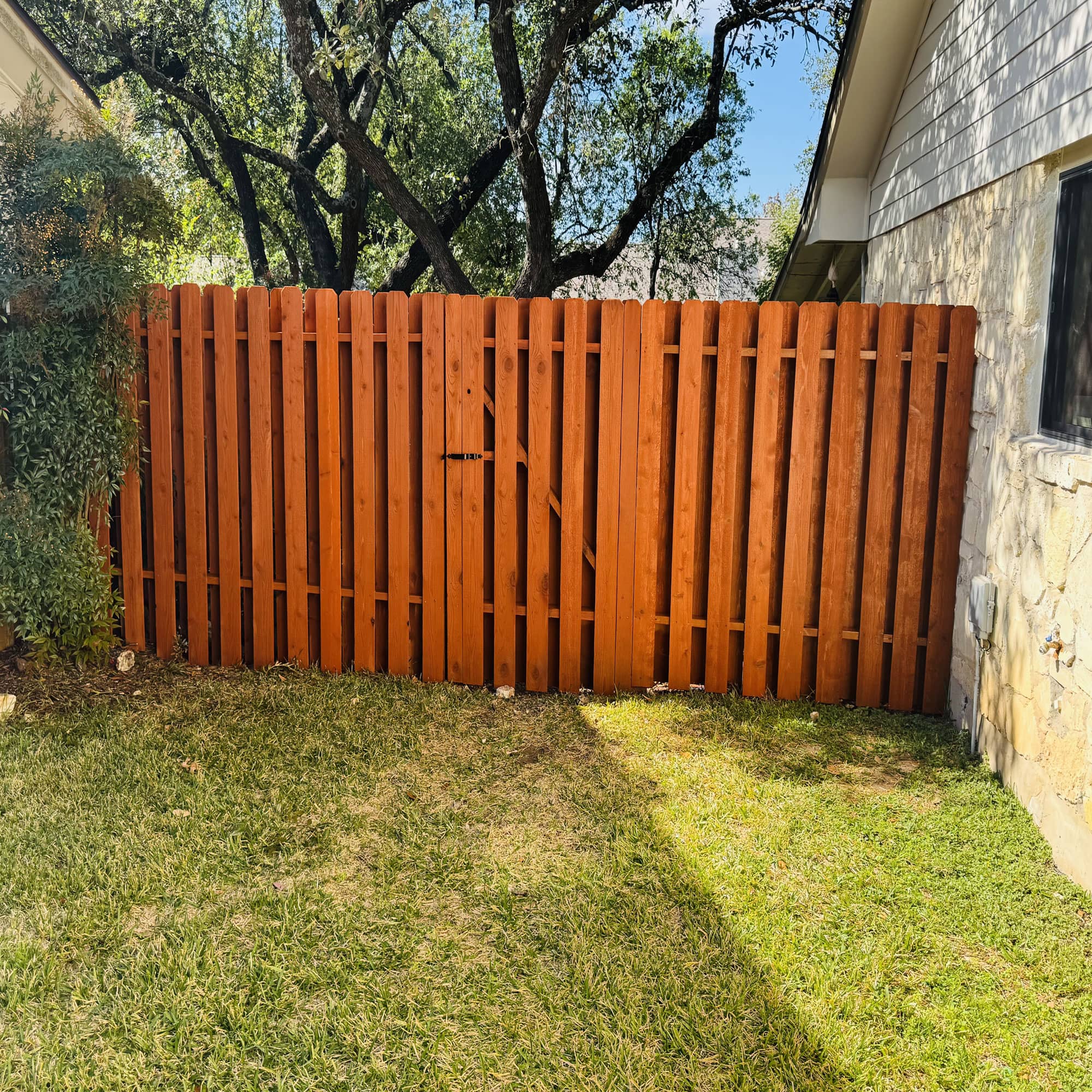
Semi-privacy fences allow some visibility and airflow while still providing screening. Shadowbox construction alternates pickets on opposite sides of the rails. This creates a fence that looks finished from both sides.
The gaps between pickets let air pass through, reducing wind load on the fence. This can extend fence life in areas with high wind exposure. The alternating pattern also creates visual interest as light and shadow shift throughout the day.
Picket Fences
Picket fences define boundaries without blocking views. They work well for front yards where you want to mark property lines while maintaining an open feel. Heights typically range from three to four feet.
Picket styles vary from pointed tops to flat tops to decorative shapes. Spacing between pickets can be adjusted based on your preferences. These fences contain pets and small children while allowing visibility in and out of the yard.
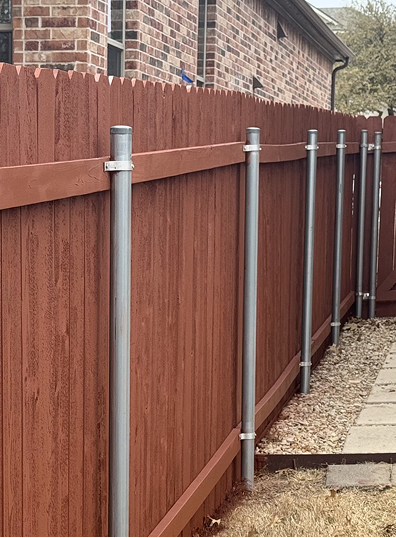
Materials We Use
Wood selection affects fence appearance, durability, and cost. We work with materials suited to Austin conditions.
Pressure-Treated Pine
Pressure-treated lumber is the most common fence material in our area. The treatment process forces preservatives into the wood that protect against rot and insect damage. This protection allows pine to perform well in ground contact and weather exposure.
Pressure-treated pine costs less than other options, making it popular for budget-conscious projects. The wood accepts stain well after it has dried and acclimated. With proper maintenance, pressure-treated fences last fifteen to twenty years or longer.
Cedar
Cedar contains natural oils that resist decay and repel insects without chemical treatment. This makes it a popular choice for homeowners who prefer natural materials. Cedar also has a distinctive appearance with warm tones and visible grain patterns.
Left untreated, cedar weathers to a silver-gray color over time. Regular staining preserves the original color and adds protection. Cedar costs more than pressure-treated pine but many homeowners prefer its qualities and appearance.
Post Materials
Posts deserve special attention because they bear the structural load and sit in ground contact. Post failure is the most common cause of fence problems. We use post materials and installation methods that maximize post life.
For pressure-treated fences, we use posts rated for ground contact with higher preservative retention than above-ground lumber. For cedar fences, we often recommend pressure-treated posts with cedar pickets and rails. This combines the ground-contact durability of treated wood with the appearance of cedar above ground.
Our Installation Process
Fence installation follows a sequence that builds quality from the ground up.
Planning & Layout
We begin by reviewing your property and discussing your goals. Property lines, grade changes, existing structures, trees, and access points all factor into fence layout. We identify any challenges and plan how to address them.
Utility locating happens before any digging. We coordinate marking of underground electric, gas, water, and communication lines. This protects infrastructure and prevents dangerous situations during post hole digging.
Post Installation
Posts form the foundation of your fence. We dig holes to appropriate depth for Austin soil conditions, typically one-third of the total post length. Posts are set plumb and aligned, then secured in concrete. The concrete cures before we proceed with rails and pickets.
Proper post installation prevents the leaning and shifting that plague poorly built fences. Taking time at this stage pays off in fence performance over the years ahead.
Rails & Pickets
After posts have cured, we attach rails that span between them. Rails are leveled and secured with fasteners that hold over time. Pickets are then attached to the rails with consistent spacing and alignment.
We pay attention to details throughout this process. Picket tops are aligned evenly. Spacing remains consistent from section to section. The finished fence looks straight and uniform.
Gates
Gates require extra attention because of the stress they endure. We build gate frames square and strong, with diagonal bracing to prevent sagging. Hinges and latches are selected for durability and installed for smooth operation. Gates swing freely, close properly, and latch securely.
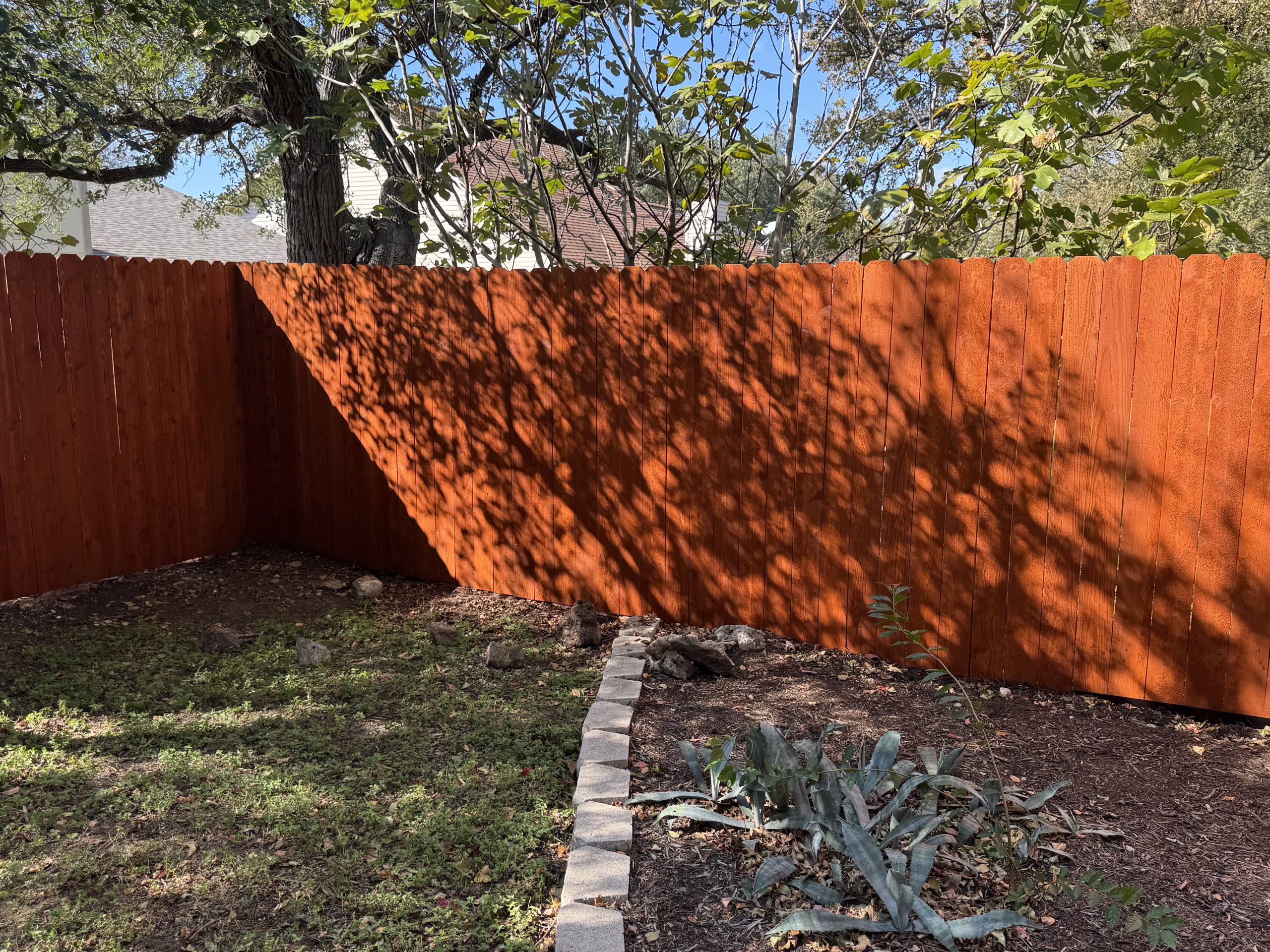
Permits & Regulations
Most fence installations in Austin require permits. Height limits, setback requirements, and material restrictions vary by location. HOA rules add another layer of requirements in some neighborhoods.
We help you understand what applies to your property and can assist with the permit process. Building to code protects you from having to modify or remove a fence that does not comply.
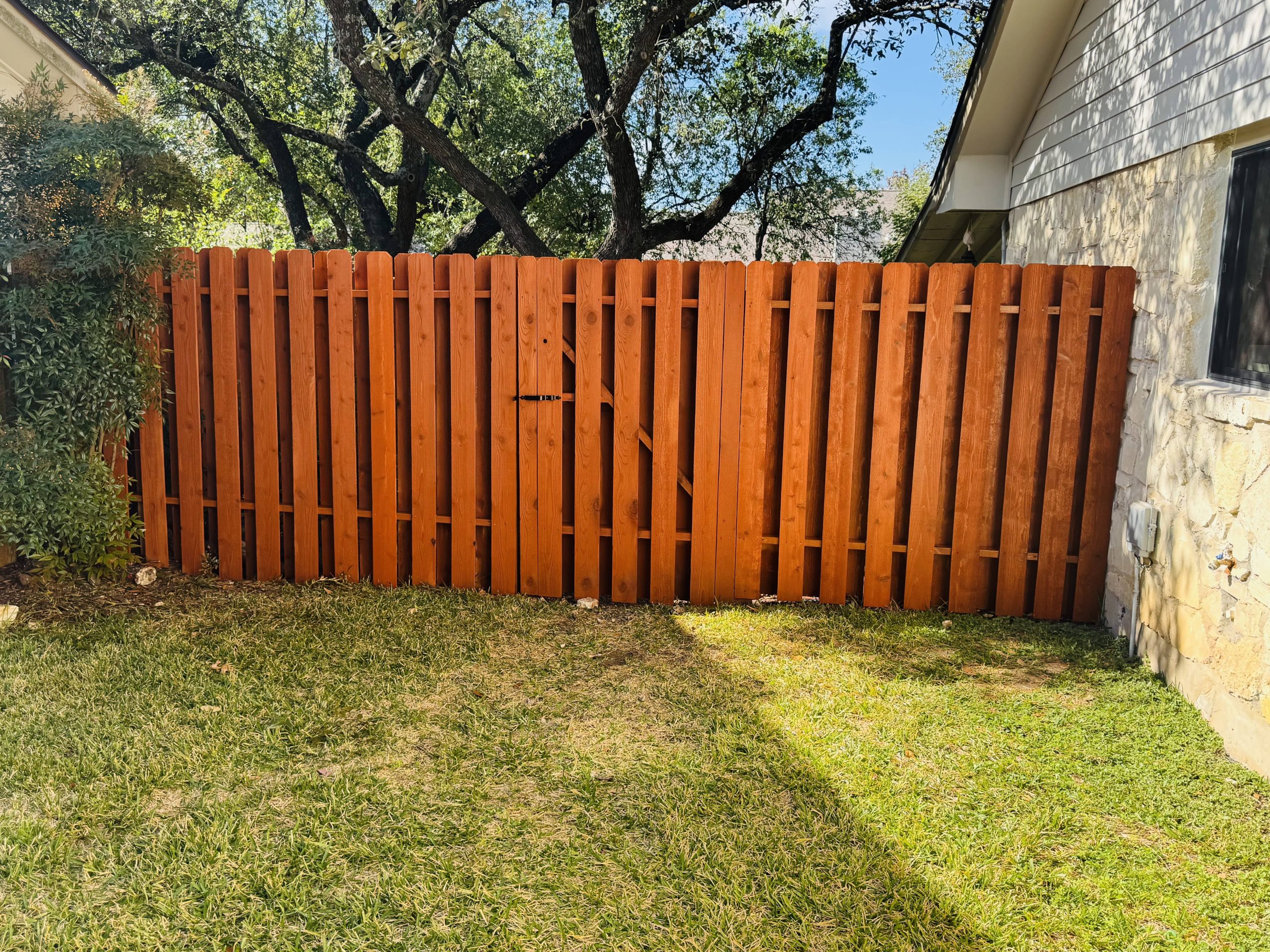
Staining Your New Fence
New wood needs time to dry before staining. Lumber from suppliers contains moisture that must evaporate before stain can penetrate properly. We recommend waiting four to eight weeks after installation before staining.
Staining protects your fence investment from the start. Many customers schedule staining as a follow-up service after their new fence has acclimated. We can coordinate both services for your convenience.
Service Area
ATX Fence Staining installs fences throughout the Austin metro area. We serve Austin, Round Rock, Cedar Park, Georgetown, Pflugerville, Leander, and surrounding communities.
Request Your Estimate
Contact ATX Fence Staining for a free fence installation estimate. We visit your property, discuss your needs, and provide straightforward pricing with no obligation.
Call us at (512) 923-6815 or email atxfencestaining@gmail.com to schedule your consultation.