
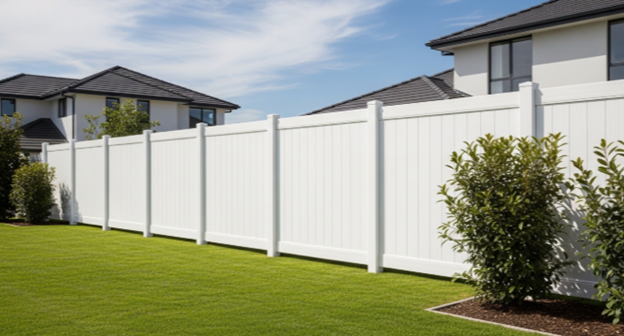
Choosing the right fence for your home isn’t just about aesthetics or privacy, it’s also about how much effort, time, and money you’ll spend keeping it in top shape. For homeowners, the question “what fence is lowest maintenance” is crucial. A low-maintenance fence saves you constant repairs, cleaning, and repainting, while still providing long-term durability and curb appeal. In this article, we break down all your options, explain why maintenance matters, and give step-by-step guidance so you can make the smartest choice for your property.
Short Answer – The Lowest Maintenance Fence Options
If you’re looking for a quick answer, the fences that require the least upkeep are:
- Vinyl Fences – Durable, easy to clean, and long-lasting
- Aluminum Fences – Rust-proof, elegant, minimal upkeep
- Composite Fences – Natural look, resistant to weather and insects
- Chain-Link Fences with Protective Coating – Extremely low maintenance and cost-effective
Pros/Cons at a glance:
- Vinyl: Very low maintenance, won’t rot or fade easily; may crack in extremely cold weather.
- Aluminum: Minimal upkeep, rust-proof; offers less privacy.
- Composite: Resistant to weather and pests; initial cost is higher.
- Chain-Link Coated: Affordable and long-lasting; less visually appealing.
For detailed pros and cons, keep reading each fence type will be analyzed in depth below.
Why Maintenance Matters When Choosing a Fence
Choosing the right material upfront can save years of frustration. Understanding the challenges of fence maintenance is critical before making a long-term investment.
Common Fence Maintenance Challenges
Fences face constant exposure to the elements. Common issues include:
- Weather Damage: Sun, rain, snow, and humidity can warp, crack, or fade many materials.
- Rot, Rust, and Insects: Wood fences are prone to rot and termite damage; metal fences can rust if untreated.
- Fading and Peeling: Paint and stain deteriorate over time, leaving fences looking worn.
- Frequent Repainting or Staining: Wooden fences especially require ongoing upkeep to prevent decay.
Ignoring these issues leads to expensive repairs and reduces the lifespan of your fence.
Cost of Maintenance Over Time
When evaluating a fence, consider both upfront and long-term costs:
- Labor and Materials: Repainting, staining, sealing, and replacing damaged parts.
- Hidden Costs: Cleaning solutions, tools, protective coatings, pest control.
- Long-Term Savings: Choosing low-maintenance options like vinyl or aluminum reduces both financial and time investment.
Investing a bit more initially in a low-maintenance fence pays off over years, saving hundreds or even thousands of dollars.
Types of Fences and Their Maintenance Needs
What Fence Is Lowest Maintenance – Detailed Analysis
Vinyl Fences
- Cleaning: Simple soap-and-water cleaning; rarely needs power washing.
- Durability: Resistant to rot, pests, and fading.
- Lifespan: 20–30 years with minimal effort.
- Aesthetics: Modern and versatile designs, perfect for privacy.
Aluminum Fences
- Rust-Proof: Powder-coated to withstand weather exposure.
- Structural Integrity: Strong and lightweight; rarely dents or bends.
- Colors: Many pre-finished options; retains appearance for decades.
Composite Fences
- Material Makeup: Made from recycled wood and plastic, resistant to warping.
- Weather Resistance: Handles sun, rain, and snow better than traditional wood.
- Lifespan: 15–25 years; requires minimal upkeep.
Chain-Link Fences with Coating
- Low Upkeep: Coating prevents rust, reducing need for painting or treatment.
- Longevity: 20+ years with simple cleaning.
- Cost-Effective: Excellent for large properties or security purposes.
Wood Fences
- High-Maintenance: Requires painting, staining, and pest control.
- Best Woods: Cedar, redwood, and pressure-treated lumber are more durable.
- Pros: Natural look, highly customizable.
- Cons: Prone to rot, warping, and insect damage.
Guide to Install a Low-Maintenance Fence
Planning Your Fence Installation
- Choose the Right Material: Consider climate, desired privacy, and aesthetics.
- Budget and Sizing: Calculate materials cost and labor.
- Check Local Regulations: Confirm HOA rules and city permits.
Preparing the Site
- Clear debris, plants, and obstacles.
- Measure accurately to ensure even spacing.
- Gather tools: posts, panels, cement, level, and safety gear.
Installation Steps
- Install Posts: Set in concrete for stability.
- Attach Panels or Pickets: Align carefully for consistent height.
- Finishing Touches: Check for loose parts, seal edges (if needed).
Post-Installation Maintenance Tips
- Schedule annual cleaning.
- Inspect for minor damage and repair immediately.
- Check fence stability seasonally, especially after storms.
Maintenance, Cost, and Lifespan
| Fence Type | Maintenance Level | Lifespan | Cost | Pros | Cons |
| Vinyl | Very Low | 20-30 yrs | $$ | Durable, easy to clean | Can crack in cold weather |
| Aluminum | Low | 25 yrs | $$$ | Rust-proof, elegant | Less privacy |
| Composite | Low | 15-25 yrs | $$$ | Natural look, resistant | Initial cost higher |
| Chain-Link Coated | Very Low | 20+ yrs | $ | Cheap, durable | Less aesthetic |
| Wood | High | 10-20 yrs | $$ | Natural look, customizable | Rot, staining, insects |
FAQs About Low-Maintenance Fences
1. Which fence is cheapest to maintain long-term?
Vinyl and chain-link fences with coating are typically the most cost-effective over time.
2. How long does a vinyl fence really last?
With minimal care, vinyl fences can last 20–30 years without major repairs.
3. Can low-maintenance fences withstand extreme weather?
Yes. Aluminum and composite fences are designed to resist wind, rain, and snow; vinyl may crack in extreme cold.
4. Do I still need to clean a “low-maintenance” fence?
Yes, occasional cleaning with soap and water keeps it looking new and prevents buildup of dirt or mold.
5. Are composite fences worth the investment?
Absolutely. They combine wood-like aesthetics with low upkeep, making them ideal for busy homeowners.
6. Can I install a low-maintenance fence myself?
Yes, many vinyl and chain-link fences are DIY-friendly if you follow proper planning and installation steps.
7. How do low-maintenance fences affect property value?
They enhance curb appeal and save future buyers time and money, often increasing resale value.
8. What is the best fence for pets and kids that requires minimal upkeep?
Vinyl and aluminum fences provide safety, durability, and easy maintenance for families.
Conclusion – Choosing the Right Low-Maintenance Fence for Your Home
Deciding what fence is lowest maintenance depends on your priorities: aesthetics, cost, longevity, and effort. Vinyl, aluminum, composite, and coated chain-link fences all offer excellent options for low upkeep, while wood remains high-maintenance but visually appealing. For wood or other fences, using ATX Fence Staining can help protect your investment, extend lifespan, and reduce routine maintenance. By choosing the right material and following proper installation and upkeep practices, you can enjoy a beautiful fence that lasts decades with minimal effort.
For the best results, evaluate your property, compare materials, and consult a professional if needed. Investing in a low-maintenance fence today will save you time, money, and stress for years to come.