
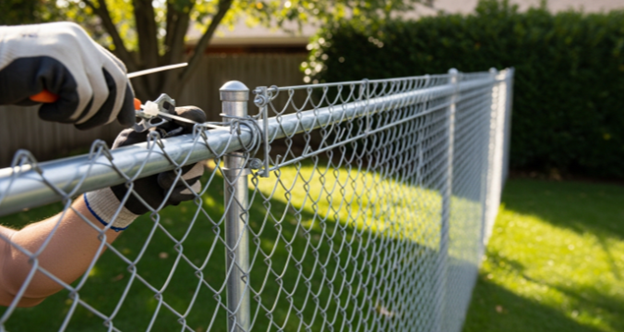
Increasing the height of a chain link fence might seem like a straightforward task, but doing it correctly requires planning, proper materials, and knowledge of local regulations. Whether your goal is to enhance security, add privacy, or comply with neighborhood rules, understanding how to extend chain link fence height is crucial for a safe and long-lasting result. This guide provides expert advice, step-by-step fence installation instructions, and practical comparisons so you can make an informed decision.
Short Answer: Can You Extend Your Chain Link Fence Height?
Yes, you can extend a chain link fence height safely and effectively. It involves either adding post extensions, installing taller posts, or using wire mesh extensions. Before starting, always check local regulations to ensure compliance and consider whether a DIY approach is suitable or if a professional installer is needed for taller or complex fences.
Why Extend a Chain Link Fence Height?
There are several reasons homeowners and property managers choose to extend their chain link fences:
- Increased Security: Taller fences prevent pets from escaping and deter intruders or trespassers.
- Privacy Enhancement: Adding height can block sightlines from neighbors or busy streets.
- Compliance with Local Codes: Some areas require specific fence heights for safety or zoning purposes.
- Aesthetic Upgrades: Height extensions can improve the visual impact of your property when paired with proper materials.
Properly extending a fence also ensures long-term durability, prevents sagging, and reduces the risk of structural failure.
Things to Consider Before Extending Your Fence
Local Regulations and Permits
Before making any modifications, check the maximum allowable fence height in your city or county. Homeowner associations may also have rules regarding appearance and materials. Violating these regulations can result in fines or mandatory removal of the fence extension.
Fence Material Compatibility
Your extension should match the existing posts, mesh, and tension bars to maintain structural integrity and a uniform appearance. Using incompatible materials can compromise stability and aesthetics.
Safety and Structural Integrity
A taller fence is more prone to tipping or bending if not properly reinforced. Concrete footings for new posts or extensions are essential to maintain stability. Evaluate the current posts to ensure they can support the added height without bending or leaning.
How to Extend Chain Link Fence Height
Tools and Materials You’ll Need
- Chain link fence posts (extension or taller replacements)
- Chain link mesh panels
- Tension bars and ties
- Concrete and post-hole tools
- Wrenches, pliers, and a measuring tape
Having all tools ready before starting ensures a smoother installation and reduces mistakes.
Preparing Your Existing Fence
- Inspect posts and mesh for wear or damage. Replace any weak posts.
- Remove top caps and loosen the top rail carefully.
- Clear debris around the base of the fence for easier access.
Adding Extension Posts or Post Sleeves
- Extension Posts: Install taller posts alongside or inside existing ones. Use concrete for stability.
- Post Sleeves: Slide sleeves over current posts to add height without replacing them.
- Reinforce old posts with additional supports if necessary to handle the extra load.
Attaching New Chain Link Mesh
- Align the new mesh with the existing fence.
- Use tension bars to secure the mesh to posts.
- Pull the mesh taut to prevent sagging and secure it with ties at regular intervals.
Finishing Touches
- Install top caps on new posts.
- Ensure the bottom of the mesh is firmly anchored to prevent gaps.
- Check the fence along its entire length for stability and proper alignment.
Methods to Extend Chain Link Fence Height
| Method | Pros | Cons | Best For |
| Post Sleeves | Easy, no digging required | May reduce stability slightly | DIY backyard fences |
| Taller Posts with New Mesh | Maximum stability | More labor & cost | High-security fences |
| Adding Wire Extensions | Cheapest solution | Less durable | Temporary setups |
| Hybrid Method | Balanced durability and cost | Requires careful planning | Sloped or uneven terrain |
This table helps you choose a method based on your specific property, budget, and security needs.
Common Questions People Also Ask
How high can you legally extend a chain link fence?
Local zoning laws vary, but most residential fences can range from 4–6 feet without special permits. Extensions beyond this may require approval.
Can you extend a chain link fence without replacing posts?
Yes, using post sleeves or additional reinforcement allows you to extend height without full post replacement.
What is the safest way to extend a fence on uneven ground?
Use the hybrid method, combining taller posts, concrete footings, and adjustable mesh panels to follow slopes while maintaining stability.
How much does it cost to extend a chain link fence height?
Costs vary based on material, method, and labor. DIY post sleeve extensions are cheaper, while professional installations with taller posts and mesh, like those done by ATX Fence Staining, can cost significantly more.
Can I extend my chain link fence myself or hire a professional?
Small extensions are suitable for DIY projects, but taller or complex fences are safer when handled by professionals.
How do I prevent the fence from leaning after extension?
Ensure posts are properly reinforced, concrete footings are deep enough, and mesh is correctly tensioned.
What materials last longest for fence extensions?
Galvanized steel posts and powder-coated chain link mesh offer long-term durability and corrosion resistance.
Can I match the extension mesh to my existing fence?
Yes, choose a mesh gauge and color that matches the original fence for a uniform appearance.
Tips and Expert Advice for Extending Chain Link Fence Height
- Reinforce Posts: Taller fences need stronger posts and deeper footings.
- Choose the Right Mesh Gauge: Heavier gauges prevent sagging and bending.
- Weatherproofing and Corrosion Prevention: Galvanized or coated materials extend lifespan.
- DIY vs Hiring Professionals: Weigh skill level, project complexity, and safety.
Following these tips ensures your extended fence remains safe, functional, and visually appealing for years.
Conclusion
Extending a chain link fence height is a practical solution for improving security, privacy, and aesthetics. Proper planning, adherence to local regulations, and using the right materials are crucial for a safe, durable installation. While small DIY projects are feasible, consulting a professional is recommended for taller or complex fence extensions. By following these expert guidelines, you can successfully extend your chain link fence height with confidence and long-term results.