
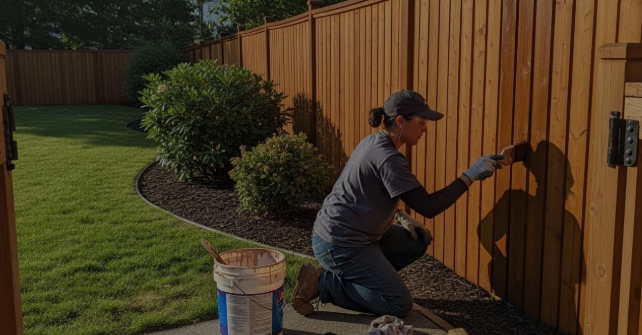
Staining a fence is one of the most effective ways to protect and enhance your outdoor property. But before you roll up your sleeves or hire a professional, you likely want to know one key thing: how much does it cost to stain a fence? The answer isn’t as simple as a flat rate because multiple factors influence the overall price, from fence material and size to stain type and labor costs. This guide will give you a comprehensive breakdown, helping you plan a realistic budget and make informed decisions.
Short Answer: How Much Does It Cost to Stain a Fence
On average, staining a fence can cost anywhere from $0.50 to $5 per square foot, depending on whether you do it yourself or hire a professional. Here’s a quick snapshot:
- DIY staining: $0.50 – $1.80 per sq. ft.
- Professional staining: $1.50 – $5 per sq. ft.
Factors affecting cost include:
- Fence material: Cedar, pine, redwood, or composite/vinyl
- Fence size and height: Linear or square footage, single or double-sided
- Type of stain: Transparent, semi-transparent, solid; oil-based vs. water-based
- Labor costs: Professional rates vs. DIY effort
- Preparation needs: Cleaning, sanding, repairs
DIY projects are cheaper upfront but require more time and effort. Professionals cost more but provide speed and a polished finish.
Factors That Affect the Cost of Staining a Fence
Type of Fence Material
The material of your fence plays a significant role in cost. Different woods absorb stain differently, affecting both the quantity needed and the labor required.
- Cedar: Popular for natural beauty, moderate cost.
- Pine: Affordable but requires careful maintenance to prevent decay.
- Redwood: Premium wood with excellent durability; higher cost.
- Composite or Vinyl: Less absorbent, low maintenance, stains differently than wood.
Fence Size and Height
Cost is directly tied to the size of your fence:
- Linear footage vs. square footage: Square footage helps determine how much stain is needed.
- Single-sided vs. double-sided: Double-sided fences require roughly double the labor and stain.
Type of Stain
The stain type influences both cost and final appearance:
- Transparent stains: Showcase natural wood grain; lower protection.
- Semi-transparent stains: Balance color and natural wood texture; mid-range cost.
- Solid stains: Highest opacity; longer-lasting and higher cost.
- Oil-based vs. water-based: Oil-based penetrate deeper but cost more; water-based dry faster and are easier to clean.
Labor Costs
Whether DIY or hiring a professional impacts the final price:
- DIY: Only the cost of materials and equipment; labor is your time.
- Professional: Rates vary by region, typically $25–$75 per hour.
- Regional pricing can fluctuate due to demand and availability.
Surface Preparation
Proper prep ensures longevity but adds to cost:
- Cleaning and power washing
- Sanding rough spots
- Repairing damaged boards
- Weather considerations: Moisture, sun, and winter exposure can require extra prep work.
Guide to Staining a Fence
Here’s a complete, professional-approved process for staining your fence.
Step 1 – Inspect and Repair Your Fence
Before staining, examine every section for damage:
- Replace rotted or warped boards.
- Tighten loose nails or screws.
- Ensure the fence is stable and safe for work.
Step 2 – Clean the Fence Thoroughly
A clean surface ensures even stain absorption:
- Use a power washer for large areas.
- Hand scrub stubborn stains with a mild detergent.
- Let the fence dry completely before applying stain.
Step 3 – Choose the Right Stain
Select a stain based on fence material and desired finish:
- Semi-transparent for a natural look.
- Solid for maximum UV and water protection.
- Oil-based for longevity; water-based for easy cleanup.
Step 4 – Apply the Stain
Application methods affect appearance and efficiency:
- Brush: Best for detailed work and corners.
- Roller: Faster for large flat surfaces.
- Sprayer: Ideal for speed but requires masking nearby areas.
Tips for even coverage:
- Apply thin coats; avoid pooling.
- Follow the grain of the wood.
- Always test in a small section first.
Step 5 – Drying and Maintenance
- Drying time: Typically 24–48 hours, depending on weather.
- Second coat: Only if recommended by the manufacturer.
- Maintenance: Re-stain every 2–4 years, clean annually, and inspect for damage.
Cost by Fence Type and Stain Type
| Fence Type | Stain Type | DIY Cost (per sq ft) | Professional Cost (per sq ft) | Notes |
|---|---|---|---|---|
| Cedar | Semi-transparent | $0.50–$1.50 | $2–$4 | Popular for natural look |
| Pine | Solid | $0.40–$1.00 | $1.50–$3 | Affordable, durable |
| Redwood | Oil-based | $0.70–$1.80 | $2.50–$5 | Premium wood, longer-lasting |
| Composite/Vinyl | Water-based | $0.60–$1.20 | $2–$4 | Low maintenance, less absorption |
Cost per linear foot estimate: Multiply square footage cost by fence height for a rough linear cost.
Additional Costs to Consider
Stain Supplies and Equipment
- Brushes, rollers, or sprayers: $10–$50 each.
- Tarps, painter’s tape, gloves, and masks: $20–$40.
Labor Time
- DIY: Average 1–2 days for a 100-foot fence.
- Professional: May take half a day to a full day, depending on crew size.
Fence Maintenance Costs
- Re-staining every 2–4 years: Labor and stain.
- Cleaning and sealing: Extend life and reduce long-term cost.
FAQs About Fence Staining Costs
1. How often should you stain a fence?
Typically every 2–4 years, depending on weather exposure and fence stain type.
2. Can I stain a fence without professional help?
Yes, DIY staining is cost-effective if you have time, tools, and patience.
3. Does weather affect the cost or quality of staining?
Yes. Rain or high humidity can increase labor time and may require reapplication.
4. What is the difference between semi-transparent and solid stains?
Semi-transparent enhances natural wood grain; solid hides imperfections and provides more UV protection.
5. How long does staining a fence usually take?
Most fences take 1–3 days, depending on size and method.
6. Is it cheaper to stain before or after winter?
Spring or early summer is ideal; winter can cause staining issues and additional prep costs.
7. How much stain do I need for an average backyard fence?
On average, 1 gallon covers 200–300 sq. ft., depending on absorption and fence condition.
8. Can I mix stains or change colors later?
Yes, but ensure the old stain is compatible or completely removed to prevent peeling.
Conclusion
So, how much does it cost to stain a fence? While the range varies widely $0.50 to $5 per square foot knowing your fence type, size, stain preference, and whether you DIY or hire professionals allows for precise budgeting. Proper preparation, careful stain selection, and routine maintenance ensure your fence stays beautiful and protected for years. These quotations are totally estimated prices and not the actual quotation.
Whether you tackle it yourself or hire an expert, understanding these costs and steps will save you both time and money. Calculate your materials, labor, and prep work upfront, and your fence will remain a long-lasting, aesthetic asset to your property.